From Roman Roads to Neural Networks
 DS28, CC BY-SA 4.0 <https://creativecommons.org/licenses/by-sa/4.0>, via Wikimedia Commons
What does the Internet and the Roman Postal System have in common? How did they come about and what role do they play in society? Why do we use the words we do to describe them?
Throughout human history we've devised ways to stay connected to each other or forge new connections across previously untread territory. We've developed vast interconnected networks that help facilitate the transport of nearly anything you could conceive of. From abstract thoughts, ideals, and philosophies to tangible military legions, civilian travellers and even your elderly relative's groceries.
-- WIP --
🕸️ Wonderful Webs
Network etymology - This word is first recorded in English in the writings of King Ælfréd, in his translation of Boethius from about the year 888. It was also used in Old English for a spider's web. Here are the complete nett and nette entries from the Bosworth-Toller Anglo-Saxon Dictionary http://keithbriggs.info/network.html#:~:text=This%20word%20is%20first%20recorded,%2DToller%20Anglo%2DSaxon%20Dictionary. Reticulate. Really is apt that the modern incarnation of the internet that we commonly use comes to us in the form of the world wide web.
"Most of us use the words web and internet to mean the same thing but they're actually quite different.
The world wide web, or web for short, are the pages you see when you're at a device and you're online.
But the internet is the network of connected computers that the web works on, as well as what emails and files travel across.
Think of the internet as the roads that connect towns and cities together. The world wide web contains the things you see on the roads like houses and shops.
And the vehicles are the data moving around - some go between websites and others will be transferring your emails or files across the internet, separately from the web." https://www.bbc.co.uk/newsround/47523993
Useful abstraction - flow charts are awesome. Graphs, Cliques. Constellations. Lets take a step back a few thousand years.
🏺 Ancient Avenues
Avenues etymology - from Latin advenire, from ad- ‘towards’ + venire ‘come’.
🛣️ Roman Roads
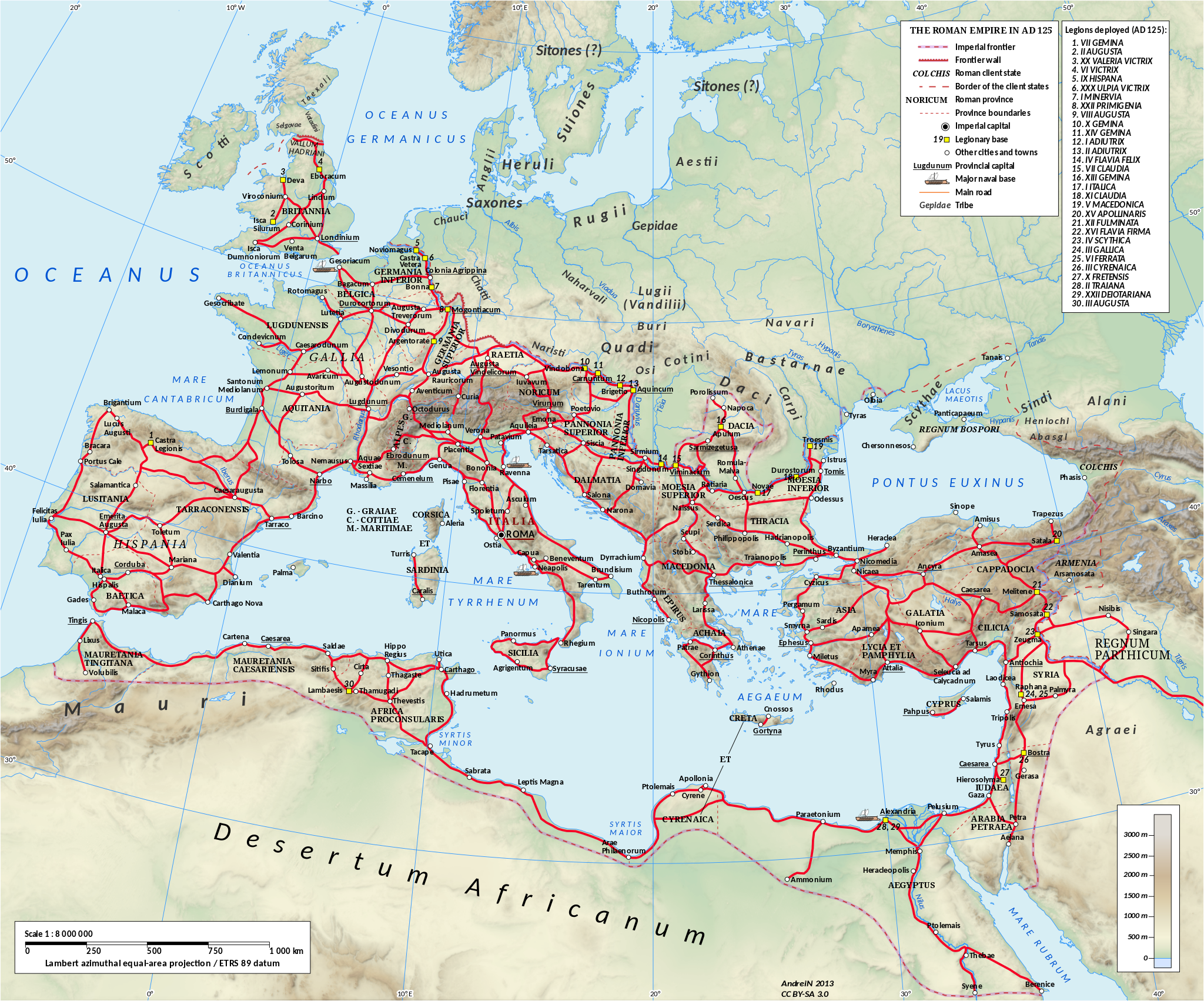
History of roads development in Ancient Rome, contrast with other civilisations. Military use. Transition to postal use.
📬 Princeps Post
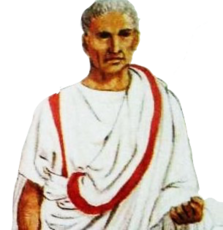
Definition of Princeps - unofficial title used by Roman emperors from Augustus onwards. The concept was pioneered by Julius Caesar and perfected by his adopted son.
Other emperors sought control over the postal system. Donald trump post shennanigans.
♝ Cruising Clergymen
The use of the roads by Bishops. Freedom of Religion?
🗺️ Modern Maps
Befire we fast forward back to the present day... Map etymology - early 16th century: from medieval Latin mappa mundi, literally ‘sheet of the world’, from Latin mappa ‘sheet, napkin’ + mundi ‘of the world’ (genitive of mundus ).
🖧 use of map in functional programming
Google maps
🧠 Neural Networks
Neural networks definition - Open AI show match.
🌐 Connected Communities
Operating at scales unheard of previosuly Connection to others around the world never seen before. Spread of covid through our transport infrastructure. Spread of ideals and thought through our communications infrastructure.